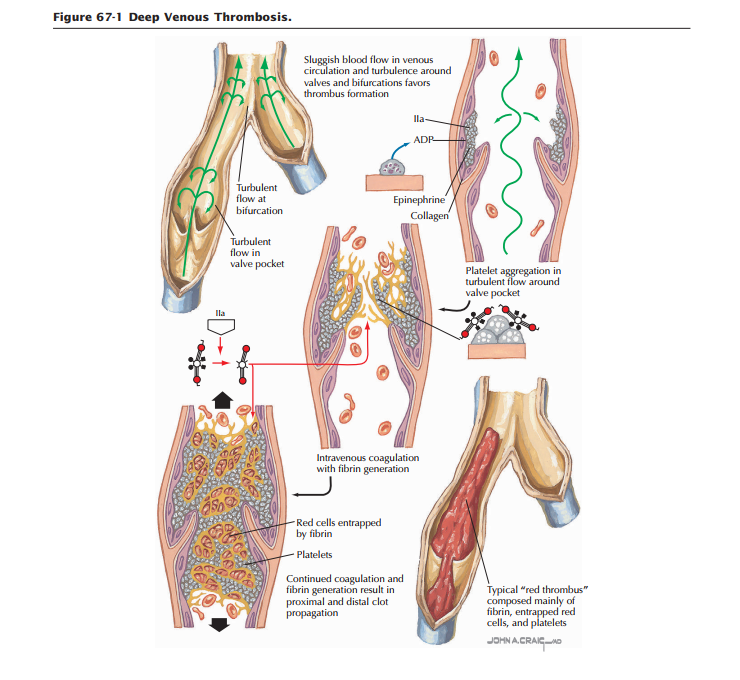
Description
Clinical and Pathophysiological Comprehensive Analysis of Acquired Coagulation Inhibitors: A Diagnostic and Therapeutic Framework for Medical Practitioners
The development of acquired inhibitors of coagulation represents a critical hematological emergency that challenges the diagnostic acumen of clinicians and the resource management of medical facilities. These disorders are characterized by the spontaneous formation of autoantibodies directed against specific clotting factors, leading to a state of profound and often life-threatening hemorrhage in individuals with previously normal hemostatic profiles. Unlike hereditary hemophilia, where patients have a lifelong history of bleeding due to genetic deficiencies, acquired inhibitors present suddenly, often in the elderly or in specific clinical settings such as the postpartum period or alongside systemic autoimmune disease.
Physiological Basis and Clinical Investigation of Hemorrhagic Diatheses
Understanding acquired inhibitors requires a foundational grasp of the coagulation cascade and the clinical presentation of its failure. Hemostasis is a highly regulated process involving vascular integrity, platelet function, and the sequential activation of plasma proteins. When this system is disrupted by autoantibodies, the resulting bleeding symptoms can be broadly categorized into platelet-type (mucocutaneous) and factor-type (deep tissue) bleeding.
Comparative Clinical Manifestations of Bleeding Disorders
The differential diagnosis begins with a physical examination and an analysis of the bleeding pattern. Clinical manifestations vary significantly depending on whether the defect lies in primary hemostasis (platelets) or secondary hemostasis (clotting factors).
| Bleeding Symptom | Platelet Defects (Qualitative/Quantitative) | Clotting Factor Deficiencies (Inhibitors) |
| Primary Manifestations | Mucocutaneous bleeding (oral, nasal, GI, GU) | Deep tissue bleeding (joints, muscles) |
| Post-Traumatic Response | Immediate bleeding after minor cuts | Delayed or prolonged bleeding |
| Petechiae | Characteristic and common | Generally uncommon |
| Ecchymoses | Small and superficial | Large subcutaneous/soft tissue hematomas |
| Hemarthroses | Rare | Common in severe states or after injury |
| Surgical Procedures | Immediate bleeding, severity varies | Procedural or delayed bleeding |
The classic presentation of acquired hemophilia often involves extensive ecchymoses and large hematomas that appear spontaneously. In contrast, the medical literature, such as the “French’s Index of Differential Diagnosis,” highlights that systemic symptoms like tachycardia and hypotension typically manifest when blood loss reaches approximately 500 ml, while a loss of over 15% of the circulating volume precipitates shock.
Systematic Clinical Protocol for Bleeding Investigation
Following the “Oxford Handbook of Clinical and Laboratory Investigation,” a structured approach is essential for identifying the underlying cause of a new bleeding diathesis.
- Initial History and Assessment: Clinicians must determine if the bleeding is spontaneous or follows trauma. A detailed drug history is vital, particularly focusing on anticoagulants like warfarin or antiplatelet agents like aspirin.
- Screening Laboratory Tests:
- Complete Blood Count (CBC): To evaluate for thrombocytopenia.
- Prothrombin Time (PT): Evaluates the extrinsic and common pathways (Factors II, V, VII, X, and fibrinogen).
- Activated Partial Thromboplastin Time (aPTT): Evaluates the intrinsic and common pathways (Factors II, V, VIII, IX, X, XI, XII, and fibrinogen).
- Thrombin Time (TT): Measures the conversion of fibrinogen to fibrin, which is prolonged by low fibrinogen or the presence of heparin.
- Specialized Testing: If screening tests are abnormal, mixing studies and specific factor assays are performed to differentiate between factor deficiencies and the presence of circulating inhibitors.
Pathophysiological Mechanisms of Acquired Inhibitors
Acquired inhibitors are primarily IgG autoantibodies that interfere with the coagulation process through two main mechanisms: direct neutralization of the factor’s functional activity or acceleration of the factor’s clearance from the blood.
Immunological Basis
The production of these autoantibodies is a complex immunological event often involving gene polymorphisms (such as HLA or CTLA4) and the activation of autoreactive CD4+ T lymphocytes. Most inhibitors are of the IgG class and do not typically bind complement. These antibodies are frequently directed against specific epitopes on the coagulation factor molecule. For instance, in acquired Factor VIII deficiency, the antibodies often bind to the C2 domain. This domain is critical for the protein’s ability to bind to procoagulant phospholipids on activated platelets and endothelial cells. By blocking this binding, the inhibitor effectively halts the assembly of the prothrombinase and tenase complexes, which are essential for thrombin generation.
Specific Clotting Assay Patterns
The diagnostic hallmark of an acquired inhibitor is the specific pattern of prolongation in screening tests.
| Test Result: PT | Test Result: aPTT | Potential Acquired Causes |
| Prolonged | Normal | Factor VII Inhibitor, Liver Disease, Warfarin, Mild Vitamin K deficiency |
| Normal | Prolonged | Inhibitors of VIII, IX, XI, or XII, Heparin, Acquired vWD, Lupus Anticoagulant |
| Prolonged | Prolonged | Inhibitors of II, V, or X, Severe Vitamin K deficiency, DIC, Liver Disease |
Acquired Factor VIII Inhibitors (Acquired Hemophilia A)
Acquired hemophilia A is the most common form of acquired coagulation inhibitor, with an annual incidence of approximately 1.3 to 1.5 cases per million population. It primarily affects the elderly, though a significant subset of cases occurs in women during the postpartum period.
Epidemiology and Clinical Context
In a large survey of 215 patients, it was found that approximately 50% of cases have no identifiable underlying disorder (idiopathic). The remaining 50% are associated with:
- Postpartum Status: Usually diagnosed within 2-3 months after delivery. It most commonly occurs after the first pregnancy.
- Autoimmune Disease: Particularly rheumatoid arthritis and systemic lupus erythematosus.
- Malignancy: Both solid organ adenocarcinomas (prostate, lung, colon) and hematologic malignancies like chronic lymphocytic leukemia.
- Dermatological and Drug Factors: Conditions like pemphigus or reactions to medications such as penicillin and sulfonamides.
The clinical presentation is dominated by sudden, severe bleeding. While hereditary hemophilia is known for joint bleeding (hemarthroses), acquired Factor VIII inhibitors more often present with massive soft tissue hematomas and mucosal bleeding. In the United Kingdom surveillance cohort, bleeding was the direct cause of death in 9% of cases, highlighting the high risk until the inhibitor is successfully eradicated.
Laboratory Diagnosis: Mixing Tests and the Bethesda Assay
The first diagnostic step for a prolonged aPTT is to exclude heparin contamination, which can be done by redrawing the sample or using a heparin-neutralizing agent like protamine. If the aPTT remains prolonged, a mixing test is performed.
The Mixing Test Protocol: Patient plasma is mixed 1:1 with pooled normal plasma. The aPTT is measured immediately and after incubation at 37ºC for 1-2 hours.
- Immediate Correction: Suggests a factor deficiency (e.g., Factor VIII or IX deficiency).
- Persistent Prolongation or Delayed Prolongation: Indicates the presence of an inhibitor. Factor VIII autoantibodies are uniquely time-dependent and temperature-dependent, often requiring the full 2-hour incubation to show their inhibitory effect.
The Bethesda Assay: This is a quantitative assay used to measure the titer of the inhibitor.
- Method: Serial dilutions of patient plasma are incubated with normal plasma for 2 hours at 37ºC.
- Definition: One Bethesda Unit (BU) is the amount of inhibitor that neutralizes 50% of the Factor VIII activity in the normal plasma.
- Clinical Significance: High-titer inhibitors (>5 BU) generally require bypassing agents for hemostasis, while low-titer inhibitors may respond to high doses of factor replacement.
Inhibitors of Other Coagulation Factors
While Factor VIII inhibitors are the most prevalent, clinicians must be aware of antibodies targeting other components of the coagulation cascade.
Prothrombin (Factor II) Inhibitors
These are most frequently associated with the “Lupus Anticoagulant-Hypoprothrombinemia Syndrome”. In these cases, the antibodies often bind to prothrombin in a way that does not inhibit its function in vitro but causes it to be cleared rapidly from the circulation in vivo. This results in a functional deficiency and severe bleeding, often in patients who also have antiphospholipid antibodies. Because the activity is not blocked in a standard assay, the laboratory pattern often mimics a simple factor deficiency rather than an inhibitor in mixing studies.
Thrombin Inhibitors
Most thrombin inhibitors are iatrogenic, arising after exposure to bovine thrombin used in topical hemostatic agents (fibrin glues) during surgery. These antibodies typically prolong the thrombin time (TT) when using bovine reagents but may not affect the TT when human thrombin is used as the reagent. They generally do not cause bleeding unless they cross-react with human thrombin or if the patient also develops antibodies to Factor V (a common contaminant in bovine thrombin).
Factor V Inhibitors
These inhibitors also frequently arise from exposure to bovine thrombin preparations. Interestingly, Factor V is concentrated in platelets, and some inhibitors may only neutralize plasma Factor V, leaving platelet-derived Factor V functional. This explains the highly variable clinical presentation, where some patients are asymptomatic despite having potent inhibitors in their plasma. Diagnosis is suspected when both the PT and aPTT are prolonged while the TT remains normal.
Factor X and Amyloidosis
A unique form of “acquired inhibitor” activity is seen in systemic light-chain (AL) amyloidosis. In approximately 6% of these patients, Factor X is physically adsorbed onto the amyloid fibrils in the spleen and other tissues, leading to a profound deficiency. These patients suffer from severe bleeding, and the deficiency may only resolve after splenectomy or successful chemotherapy for the underlying plasma cell dyscrasia.
Factor XIII Inhibitors
Factor XIII is responsible for crosslinking fibrin to stabilize the clot. Because standard screening tests (PT, aPTT) only measure the time to fibrin formation, they are completely normal in patients with Factor XIII inhibitors. The clinical hallmark is delayed bleeding after surgery or trauma. The initial clot forms but is unstable and lyses prematurely. Diagnosis is made using the clot solubility test (in urea or acetic acid) or specialized functional assays.
Management of Acquired Inhibitors
Treatment is divided into two primary goals: acute control of bleeding and eradication of the autoantibody.
Control of Active Bleeding
The choice of hemostatic therapy depends on the inhibitor titer :
- Low-titer inhibitors (<5 BU): May be treated with high doses of human Factor VIII concentrates (e.g., 20 IU/kg per BU plus an additional 40 IU/kg) or Desmopressin (dDAVP) at 0.3 mcg/kg.
- High-titer inhibitors (>5 BU): Require “bypassing agents” that can generate thrombin without the need for Factor VIII.
- Activated Prothrombin Complex Concentrates (aPCC): Such as FEIBA.
- Recombinant Factor VIIa (rFVIIa): Such as NovoSeven.
- Porcine Factor VIII: Often has lower cross-reactivity with human autoantibodies, though its availability varies.
Elimination of the Inhibitor
Immunosuppression should be initiated immediately upon diagnosis.
- First-line: Prednisone at 1 mg/kg/day. About one-third of patients achieve remission with steroids alone.
- Second-line: Addition of oral Cyclophosphamide (2 mg/kg/day). Multivariate analysis has shown that patients treated with cyclophosphamide often have the highest rates of complete remission.
- Biological Therapy: Rituximab (anti-CD20) has shown significant success in refractory cases, often in combination with steroids.
- Other options: IVIG, cyclosporine, or plasmapheresis with immunoadsorption columns for life-threatening, refractory situations.
Summary of First-Line Immunosuppressive Outcomes (EACH2 Registry)
| Treatment Regimen | Complete Remission Rate | Median Time to Remission |
| Glucocorticoids alone | 48% | ~5 weeks |
| Glucocorticoids + Cyclophosphamide | 70% | ~5 weeks |
| Glucocorticoids + Rituximab | 59% | ~10 weeks |
Note: Adverse events are common across all regimens, occurring in 25-41% of patients.
Hematologic Manifestations in Systemic Autoimmune Disorders
The development of acquired inhibitors is often intertwined with broader systemic pathologies, specifically in rheumatology.
Systemic Lupus Erythematosus (SLE)
In SLE, hematologic abnormalities are nearly universal.
- Anemia: Most commonly anemia of chronic disease, but immune hemolytic anemia also occurs.
- Leukopenia: Typically lymphopenia.
- Inhibitors: While the “lupus anticoagulant” causes thrombosis, specific antibodies against Factors VIII, IX, XI, or XII have been described.
- Lupus Anticoagulant-Hypoprothrombinemia: As noted previously, this specific syndrome results in bleeding rather than the thrombosis usually associated with antiphospholipid antibodies.
Rheumatoid Arthritis (RA)
Hematologic manifestations in RA reflect the degree of systemic inflammation.
- Anemia of Chronic Disease: Correlates with disease activity.
- Thrombocytosis: Often present as an acute-phase reactant.
- Felty’s Syndrome: A rare triad of RA, splenomegaly, and neutropenia, which significantly increases infection risk.
- Inhibitors: Factor VIII inhibitors in RA are often resistant to steroids alone and frequently require the addition of cyclophosphamide.
Integrative Medicine and Ethical Considerations
Treating complex hematologic patients requires an understanding of the patient’s lifestyle and the ethical implications of therapy.
Herb-Drug Interactions and the Coagulation System
Many patients utilize herbal supplements that can significantly alter the safety and efficacy of anticoagulant and hemostatic treatments.
| Herbal Supplement | Effect on Coagulation/Medication | Clinical Risk |
| Ginkgo Biloba | Inhibits Platelet Activating Factor (PAF) | Increased bleeding risk |
| Garlic | Antiplatelet properties | Potentiates bleeding with anticoagulants |
| Danshen | Significantly increases INR | High risk of hemorrhage with Warfarin |
| St. John’s Wort | Induces CYP3A4 enzymes | Reduces effectiveness of Warfarin |
| Alfalfa | High Vitamin K content | Antagonizes Warfarin effect |
Holistic and Ethical Approach
Integrative medicine, as detailed in Rakel’s “Integrative Medicine,” emphasizes treating the “Whole Health” of the patient. For a patient with an acquired inhibitor, the clinical encounter should involve “Pause, Presence, and Proceed”—ensuring the clinician is fully attentive to the patient’s goals and suffering beyond the laboratory numbers.
Ethically, medical treatment must adhere to the Helsinki Declaration, prioritizing informed consent and patient safety. When using traditional or herbal medicines, practitioners must use the “Evidence-Versus-Harm” grading system to ensure that unproven therapies do not jeopardize the management of a critical coagulopathy.
Natural History and Prognosis
The prognosis of acquired inhibitors depends on the patient’s age, the underlying cause, and the initial response to immunosuppression.
- Spontaneous Recovery: Approximately 30-35% of inhibitors may resolve spontaneously, but the risk of fatal bleeding during this time makes waiting without treatment an informed and risky decision.
- Survival Predictors: Complete remission attainment, age <65, and postpartum status are strong predictors of improved survival.
- Relapse: Approximately 20% of patients will relapse after reaching their first complete remission.
Conclusion
Acquired inhibitors of coagulation are rare but represent some of the most dramatic presentations in clinical medicine. For the medical student and the practicing physician, the key to successful management lies in early recognition of the clinical pattern (large hematomas without prior history), the systematic use of mixing tests (with appropriate incubation), and the prompt initiation of bypassing agents and immunosuppression.
By integrating the laboratory expertise required for Bethesda assays with a holistic understanding of the patient’s systemic health and potential herbal interactions, clinicians can effectively navigate these complex cases. The ultimate goal remains the cessation of hemorrhage and the permanent eradication of the autoreactive immune response to restore normal hemostatic function.


