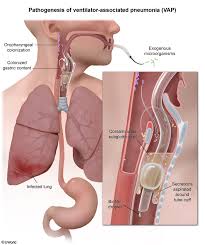
Description
Assessment of Postoperative Fever: A Clinical and Pathophysiological Treatise for the Modern Practitioner
The occurrence of fever in the aftermath of a surgical intervention is a phenomenon as old as the art of healing itself. It represents a profound striving for equilibrium within the human body—a systemic response to the dual stressors of intentional tissue trauma and the potential for microbial invasion. For the physician and the student of medicine, the assessment of postoperative fever is not merely a task of temperature monitoring, but a diagnostic journey that requires a nuanced understanding of immunology, physiology, and clinical timing. Guided by the principle of “Primum non nocere,” this report seeks to bridge the gap between complex pathophysiological mechanisms and the empathetic care of the patient, providing a comprehensive framework for identifying, understanding, and managing this common clinical challenge.
Definition and Diagnostic Thresholds
In the clinical setting, the definition of postoperative fever (POF) must be precise to distinguish between the body’s natural inflammatory response and a pathological state requiring urgent intervention. Historically and in contemporary practice, postoperative fever is defined as a core body temperature $\ge 38^{\circ}C$ ($100.4^{\circ}F$) occurring on at least two consecutive postoperative days, or a single elevation to $\ge 39^{\circ}C$ ($102.2^{\circ}F$) on any given postoperative day. This threshold is chosen to account for the standard diurnal variations in human temperature, which typically fluctuate by $0.5^{\circ}C$ to $1.0^{\circ}C$ throughout a twenty-four-hour period.
A normal body temperature is not a static number but a range, typically maintained between $36.5^{\circ}C$ and $37.5^{\circ}C$ ($97.7^{\circ}F–99.5^{\circ}F$) by the hypothalamic thermoregulatory center. Harrison’s Principles of Internal Medicine defines the upper limit of normal oral temperature at 6 A.M. as $37.2^{\circ}C$ ($98.9^{\circ}F$) and at 4 P.M. as $37.7^{\circ}C$ ($99.9^{\circ}F$). In the postoperative context, elevations beyond these levels trigger a diagnostic cascade. It is essential to recognize that the method of measurement influences the interpretation; rectal temperatures are generally $0.4^{\circ}C$ higher than oral readings, while tympanic membrane measurements, though convenient, can be variable due to ambient air exposure or improper technique. Furthermore, the clinician must be aware that elderly patients often exhibit a blunted febrile response; in this vulnerable population, even a modest rise in temperature may signify a severe underlying infection or systemic collapse.
Epidemiology of Postoperative Pyrexia
The prevalence of fever following surgery is remarkably high, though its incidence varies significantly depending on the nature of the procedure, the patient’s comorbidities, and the complexity of the surgical stress. General estimates suggest that fever occurs in approximately 13% to 14% of all postoperative patients, but this number can soar to 90% in specific high-stress environments such as cardiovascular or major abdominal surgeries.
Recent data from 2024 and 2025 indicates that in gastrointestinal oncologic surgery, the incidence rates range from 14% to as high as 91%. In cardiovascular surgery, fever is detected in 60% to 70% of patients, often reflecting the systemic inflammatory response syndrome (SIRS) triggered by cardiopulmonary bypass. For pediatric patients undergoing congenital heart surgery, the pooled prevalence is approximately 18.4%, with more complex defects and longer bypass times correlating directly with higher febrile rates.
Demographic and procedural factors also play a significant role in the epidemiological landscape. Multivariable analyses have identified independent risk factors such as age $\ge 70$ years, male sex, an ASA score $\ge 3$, and an operative time $\ge 195$ minutes. Nutritional status is equally critical; patients with preoperative albumin levels $< 37 g/L$ are significantly more likely to develop persistent postoperative fever. These statistics underscore the necessity of a tailored approach, recognizing that the “baseline” risk of fever is not uniform across the surgical spectrum.
Statistical Distribution of Postoperative Fever by Specialty
| Surgical Specialty | Incidence Rate (%) | Primary Non-Infectious Cause | Primary Infectious Cause |
| General Surgery | 13% – 15% | Tissue Trauma (Cytokine release) | Surgical Site Infection (SSI) |
| Cardiovascular (Adult) | 60% – 70% | Post-pericardiotomy / CPB response | Pneumonia / Line Infection |
| GI Oncologic | 14% – 91% | Inflammatory absorption | Anastomotic leak / Abscess |
| Gynecological | 2.6% – 4.1% | Hematoma / Seroma | Vaginal cuff infection / PBSI |
| Pediatric Cardiac | 10% – 25% | Cardiopulmonary bypass stress | Respiratory infection |
Classification of Postoperative Fever
A temporal classification is the most effective clinical tool for narrowing the differential diagnosis. By categorizing fever based on the time elapsed since the surgical incision, the physician can prioritize investigations according to the most probable biological events occurring at that stage of recovery.
Immediate Fever (0–24 Hours)
Fever in the first twenty-four hours is rarely infectious, unless the patient was incubating a community-acquired illness or underwent an inherently contaminated procedure. The vast majority of these cases represent the “pyretic response to surgery,” a self-limiting phenomenon driven by the release of pro-inflammatory cytokines during tissue manipulation. Rare but critical considerations in this window include Malignant Hyperthermia (MH), which typically presents intraoperatively or within hours of anesthetic exposure, and acute hemolytic transfusion reactions.
Acute Fever (24–48 Hours)
During the first two days, the body continues to process the inflammatory load of the surgery. While atelectasis has historically been blamed for fevers in this window, modern clinical evidence suggests this relationship is coincidental; atelectasis is a common finding but does not inherently trigger the cytokine cascade required to produce fever. Instead, most fevers in this period remain inflammatory. However, early-onset infections such as Group A Streptococcal or Clostridial wound infections must be excluded if the patient appears systemically unwell.
Subacute Fever (72 Hours to 1 Week)
As the patient enters the first week of recovery, the probability of infectious etiologies increases significantly. This is the classic period for the “3 Ws”: Water (Urinary Tract Infection), Wind (Pneumonia), and Wound (Surgical Site Infection). Most infections introduced during surgery or via invasive devices (catheters, endotracheal tubes) manifest in this timeframe as bacterial colonies reach critical mass and trigger systemic symptoms.
Delayed Fever (1 Week to 4 Weeks)
Fevers occurring more than seven days after surgery are almost always pathological. Common causes include deep-seated abscesses, drug-induced hypersensitivity reactions, or venous thromboembolism (the “Walking” of the 5 Ws). In patients who have received prosthetic material, such as joint replacements or vascular grafts, delayed fever may be the first sign of an indolent infection that will require prolonged therapy or re-operation.
Pathophysiology: The Molecular Orchestration of Fever
The development of fever is a regulated process involving the immune system, the vascular endothelium, and the central nervous system. According to Harrison’s Principles of Internal Medicine, fever is distinct from hyperthermia; while hyperthermia involves a failure of heat dissipation or excessive heat production without an upward shift in the hypothalamic set-point, fever is a coordinated physiological response to pyrogens.
The Cytokine Cascade
The process begins with pyrogens, which can be exogenous (such as bacterial endotoxins) or endogenous (cytokines). During surgery, the mechanical disruption of cells and the exposure of the innate immune system to damage-associated molecular patterns (DAMPs) trigger the release of pyrogenic cytokines: Interleukin-1 (IL-1), Interleukin-6 (IL-6), and Tumor Necrosis Factor-alpha (TNF-α).
Among these, IL-6 is the primary mediator of the systemic acute-phase response. Its concentrations in the blood correlate directly with the severity of tissue trauma and the duration of the surgery. IL-6 acts pleiotropically, signaling through its ubiquitous gp130 receptor subunit to generate a variety of physiologic responses, including the production of acute-phase proteins in the liver and the maturation of immune cells.
The Hypothalamic Set-Point
These circulating cytokines travel to the brain, specifically the organum vasculosum of the lamina terminalis (OVLT), a region where the blood-brain barrier is incomplete. Here, cytokines interact with brain endothelial cells to induce the expression of cyclooxygenase-2 (COX-2), leading to the synthesis of Prostaglandin E2 ($PGE_2$).
$PGE_2$ is the final mediator of the febrile response. It acts on the $EP_3$ receptors in the preoptic area of the hypothalamus, the body’s master thermostat. This interaction triggers an upward shift in the hypothalamic “set-point”. The body now perceives its current temperature as too low and initiates heat-conserving and heat-producing mechanisms:
- Vasoconstriction: Shunting blood away from the skin to reduce heat loss.
- Thermogenesis: Increasing metabolic rate and inducing shivering to generate heat.
- Behavioral Changes: Seeking warmth and reduced activity.
Systemic Inflammatory Response Syndrome (SIRS)
When the inflammatory response becomes generalized and uncontrolled, it is termed SIRS. This is common in major surgical trauma, pancreatitis, and sepsis. The pathophysiology involves widespread endothelial activation, increased capillary permeability (leading to “third-spacing” of fluids), and a pro-coagulant state. If SIRS is accompanied by a documented infection, it is classified as sepsis. The progression to septic shock occurs when the systemic vasodilation becomes refractory to fluid resuscitation, necessitating the use of vasopressors to maintain an adequate mean arterial pressure (MAP) $\ge 65 mmHg$.
Clinical Manifestations and the Systematic Review
The clinical presentation of postoperative fever is often accompanied by a constellation of signs that help pinpoint the source. A thorough review of systems and a focused physical examination are the cornerstones of assessment.
Identifying the “5 Ws”
The traditional mnemonic provides a roadmap for clinical manifestation:
- Wind (Pulmonary): Patients may present with tachypnea, cough, pleuritic chest pain, or decreased oxygen saturation. Auscultation might reveal crackles or bronchial breath sounds indicative of pneumonia or aspiration.
- Water (Urinary): Dysuria, suprapubic pain, and cloudy or malodorous urine suggest a UTI. In the postoperative period, these symptoms are often blunted by analgesia or masked by the presence of a Foley catheter.
- Wound (Incision): Classic signs of infection include localized erythema, warmth, tenderness, and purulent discharge. Spreading cellulitis or a fluctuant mass (indicating an abscess or hematoma) requires immediate attention.
- Walking (Vascular): Deep vein thrombosis (DVT) typically presents with asymmetric leg swelling and calf tenderness. Pulmonary embolism (PE) is a more dramatic presentation, involving sudden-onset shortness of breath, tachycardia, and a profound sense of apprehension.
- Wonder Drugs (Iatrogenic): Drug fever is often a high-grade fever occurring in an otherwise “well-appearing” patient, sometimes accompanied by a morbilliform rash. Additionally, infections related to intravascular catheters (the “Wing”) present as erythema at the insertion site or unexplained systemic bacteremia.
Specific Manifestations of Critical Conditions
Beyond the common causes, the clinician must recognize the unique signatures of life-threatening events.
- Malignant Hyperthermia: Presents with rapid-onset hyperpyrexia ($>40^{\circ}C$), generalized muscle rigidity (especially masseter spasm), and unexplained tachycardia. Laboratory findings will show profound metabolic and respiratory acidosis.
- Toxic Shock Syndrome: Characterized by high fever, diffuse “sunburn” rash that later desquamates, and rapid progression to multi-organ failure. It can occur within forty-eight hours of surgery if a wound is contaminated with toxin-producing Staphylococcus aureus or Streptococcus pyogenes.
- Adrenal Crisis: In patients with chronic steroid use or undiagnosed adrenal insufficiency, the stress of surgery can precipitate a crisis manifested by fever, refractory hypotension, and severe abdominal pain.
Diagnostic Evaluation: A Structured Approach
The diagnostic process should be purposeful and guided by the patient’s clinical status and the timing of the fever. Routine “shotgun” testing in the first forty-eight hours is generally discouraged unless the patient is immunocompromised or displays signs of systemic instability.
Physical Examination Findings
A mandatory head-to-toe examination is the first step.
- Vital Signs: Tachypnea ($>20 breaths/min$), tachycardia ($>90 beats/min$), and hypotension ($SBP < 90 mmHg$) are sensitive but non-specific indicators of serious underlying pathology such as sepsis or PE.
- The Wound: The surgical site should be inspected for dehiscence, drainage, or crepitus. Crepitus is a surgical emergency suggesting gas gangrene.
- Lungs and Heart: Careful auscultation for new rales (pneumonia) or a new heart murmur (endocarditis).
- Calves: Measurement of calf circumference and assessment for tenderness.
Laboratory Investigations
When indicated, a standard laboratory panel provides objective data on the inflammatory burden.
- Full Blood Count (FBC): Leucocytosis ($>12,000/mm^3$) with a left shift is common but can be a normal part of the surgical stress response in the first forty-eight hours.
- C-reactive Protein (CRP) and Procalcitonin (PCT): PCT is a more specific marker for bacterial infection than CRP. A PCT level $\ge 0.5 ng/mL$ in the postoperative period is a strong indicator of an infectious etiology rather than simple surgical inflammation.
- Microbiology: Blood cultures (at least two sets) should be drawn before initiating antibiotics. Urinalysis and urine culture, as well as sputum cultures, are directed by the clinical picture.
- C. difficile Testing: Mandatory for any patient with fever and new-onset diarrhea after antibiotic exposure.
Instrumental and Imaging Studies
- Chest Radiograph (CXR): The initial imaging of choice for suspected “Wind” complications. It can identify infiltrates, effusions, or atelectasis.
- Ultrasonography: Used for suspected DVT (lower extremity Doppler) or to evaluate for intra-abdominal fluid collections/abscesses. In the case of acalculous cholecystitis, US will show a thickened gallbladder wall and pericholecystic fluid.
- Computed Tomography (CT): The gold standard for localizing deep infections, such as intra-abdominal abscesses, which often manifest after the first week. CT pulmonary angiography is the preferred test for diagnosing PE.
- ECG and Cardiac Enzymes: Necessary if the patient has risk factors for myocardial infarction or is experiencing unexplained tachycardia.
Differential Diagnosis Using French’s Index Approach
Applying the analytical approach of French’s Index, we categorize the causes of postoperative fever by their probability (likelihood) and severity (potential for harm). This allows the clinician to prioritize “do not miss” diagnoses while acknowledging the most common occurrences.
High Probability / Low-to-Moderate Severity
These are the “daily bread” of postoperative care. They are common, often manageable, but require steady attention to prevent escalation.
- Surgical Stress Response (POD 0–2): The most likely cause of early fever. It is a physiological response to tissue trauma. Diagnosis is one of exclusion.
- Urinary Tract Infection (POD 3–5): Highly probable in patients who required catheterization. It is usually easily treated but can lead to urosepsis if ignored.
- Superficial Wound Infection (POD 5–10): Common, especially in contaminated surgeries. Manifests as localized cellulitis.
Low Probability / High Severity (Critical Diagnoses)
These conditions are rare but represent immediate threats to life. They must be considered in any patient who is “too sick” for their stage of recovery.
- Sepsis and Septic Shock: Can occur at any time. Requires rapid identification and the “Hour-1 Bundle” of care.
- Pulmonary Embolism: A leading cause of sudden postoperative death. High index of suspicion needed in patients with tachycardia and hypoxia.
- Malignant Hyperthermia: A true anesthetic emergency. Requires immediate dantrolene.
- Anastomotic Leak: In GI surgery, this is a catastrophic event leading to peritonitis and shock. It often presents with a “spiking” fever and a “surgical abdomen”.
- Toxic Shock Syndrome: A rapid, toxin-mediated collapse that can follow even minor procedures if the wound is infected with specific strains of bacteria.
Summary Table of Differential Diagnosis (French’s Index Style)
| Potential Diagnosis | Probability | Severity | Typical Day of Onset | Key Differentiating Feature |
| Surgical Stress Response | Very High | Low | POD 0 – 2 | Resolves without treatment; well patient |
| UTI (Water) | High | Moderate | POD 3 – 5 | Dysuria, positive nitrites in urine |
| Pneumonia (Wind) | Moderate | High | POD 2 – 5 | Productive cough, CXR infiltrates |
| SSI (Wound) | Moderate | Moderate | POD 5 – 10 | Localized erythema, purulent drainage |
| DVT/PE (Walking) | Low | Very High | POD 7 – 14 | Pleuritic pain, asymmetric leg swelling |
| Drug Fever | Low | Low | Any | Eosinophilia, rash, otherwise “well” |
| Sepsis | Moderate | Very High | Any | Hypotension, altered mental status, elevated PCT |
| Malignant Hyperthermia | Rare | Extreme | POD 0 (Hours) | Muscle rigidity, profound acidosis |
Therapeutic Management: A Holistic and Pharmacological Synthesis
The management of postoperative fever is a two-fold mission: addressing the underlying cause with targeted medical therapy and supporting the patient’s overall homeostasis through holistic care. As Asclepius, I remind you that while we fight the infection, we must also comfort the patient, for a body at ease heals more swiftly.
Goals of Pharmacotherapy
The primary objectives of medical treatment are to eradicate the source of infection, mitigate the systemic inflammatory response, and restore hemodynamic stability.
- Source Control: This is the most critical step. It may involve removing a catheter, draining an abscess, or returning to the operating room to repair a leak.
- Antimicrobial Stewardship: Initiating empiric antibiotics based on likely pathogens and then de-escalating to narrow-spectrum agents once cultures return.
- Hemodynamic Support: Ensuring adequate tissue perfusion through fluid resuscitation and, if necessary, vasopressors.
Holistic and Non-Pharmacological Interventions
The care of the febrile patient should be grounded in Kolcaba’s Comfort Theory, which emphasizes three forms of comfort: Relief, Ease, and Transcendence.
- Environmental Management: Adjusting room temperature, providing lightweight clothing, and ensuring a quiet environment to reduce sensory overload.
- Physical Cooling: Tepid sponge baths and fans can provide symptomatic relief. However, avoid aggressive cooling (like ice packs) that induces shivering, as this increases metabolic demand and $O_2$ consumption.
- Hydration: Ensuring adequate fluid intake is vital, as fever increases insensible water loss. This can be achieved through oral fluids or intravenous crystalloids if the patient is NPO.
- Respiratory Hygiene: Encouraging the use of incentive spirometry and frequent repositioning to minimize pulmonary stasis and prevent pneumonia.
Classical Pharmacotherapy and Dosages
The choice of medication must be precise and guided by current evidence-based protocols.
- Sepsis and Septic Shock (SSC 2021/2024 Guidelines)
- Initial Resuscitation: $\ge 30 mL/kg$ of IV crystalloid (e.g., Lactated Ringer’s or Normal Saline) within the first 3 hours for hypotension or lactate $\ge 4 mmol/L$.
- Vasopressors: Norepinephrine is the first-line agent, titrated to maintain a MAP $\ge 65 mmHg$.
- Empiric Antibiotics: Should be administered within 1 hour of recognition. For hospital-acquired infections, piperacillin/tazobactam ($4.5 g$ IV q6–8h) or cefepime ($2 g$ IV q8h) provide broad coverage against Pseudomonas.
- Malignant Hyperthermia (EMHG 2024 Guidelines)
- Dantrolene: The life-saving antidote. Initial dose of $2.5 mg/kg$ IV bolus, repeated every 10 minutes until signs (hypercarbia, rigidity) regress. Total doses may exceed $10 mg/kg$ in severe cases.
- Supportive Care: Immediate cessation of all triggering agents, hyperventilation with $100\% O_2$ at $10 L/min$, and aggressive cooling until core temperature $< 38.5^{\circ}C$.
- Toxic Shock Syndrome
- Mandatory Combination: A bactericidal agent (e.g., Vancomycin or Penicillin) PLUS a protein synthesis inhibitor. Clindamycin ($600–900 mg$ IV q8h) is essential because it shuts down the production of superantigen toxins.
- IVIG: In refractory cases, intravenous immunoglobulin ($1–2 g/kg$ as a single dose) may be considered to neutralize circulating toxins.
- Postoperative Pneumonia (ATS 2025 Guidelines)
- Ceftriaxone: $1–2 g$ IV q24h PLUS Azithromycin $500 mg$ IV q24h to cover typical and atypical pathogens.
- Duration: For stable patients, a 3-to-5-day course is now conditionally recommended, moving away from the traditional 7-to-10-day cycles.
Summary of Pharmacological Management
| Condition | Primary Medication | Dosing Protocol | Mechanism / Rationale |
| Sepsis | Crystalloids | $30 mL/kg$ rapid infusion | Restore intravascular volume |
| Malignant Hyperthermia | Dantrolene | $2.5 mg/kg$ IV (repeat q10m) | Inhibits calcium release in muscle |
| TSS | Clindamycin | $900 mg$ IV q8h | Toxin suppression |
| Pneumonia | Ceftriaxone | $1 – 2 g$ IV q24h | Gram-negative / Strep coverage |
| SSI Prophylaxis | Cefazolin | $2 – 3 g$ IV pre-incision | Skin flora (Staph) coverage |
| C. difficile | Vancomycin | $125 mg$ PO qid | Non-absorbed luminal activity |
Herbal Medicine and Potential Interactions
In the pursuit of holistic healing, many patients turn to herbs and supplements. While these can offer comfort and support, they are not without peril in the postoperative setting, particularly regarding their interactions with the essential medications of surgery.
Anticoagulants and Hemostasis
The most significant risk involving herbal medicine is the disruption of blood clotting. Many common herbs possess antiplatelet or anticoagulant properties that can potentiate the effects of drugs like Warfarin or DOACs, leading to spontaneous bleeding or hematoma formation.
- Garlic (Allium sativum) and Ginkgo Biloba: Both irreversibly inhibit platelet aggregation. Patients taking these alongside postoperative anticoagulants are at a much higher risk for surgical site hemorrhage.
- Ginger and Cinnamon: A notable case report from 2025 highlights a fatal interaction where a patient taking dabigatran self-administered ginger and cinnamon tea. Ginger acts as a P-glycoprotein inhibitor, significantly increasing the concentration of dabigatran, while cassia cinnamon contains coumarins, leading to catastrophic gastrointestinal bleeding.
- Meadowsweet (Filipendula ulmaria) and Willow Bark (Salix): These herbs contain natural salicylates. They should be avoided in patients taking aspirin or other anticoagulants to prevent additive effects on the gastric mucosa and primary hemostasis.
Cytochrome P450 and Metabolism
- St. John’s Wort (Hypericum perforatum): A potent inducer of the CYP3A4 enzyme and P-glycoprotein. This supplement is “notorious” for reducing the effectiveness of a wide range of medications, including cyclosporine (crucial for transplant recipients), certain antibiotics, and analgesics.
- Milk Thistle (Silybum marianum): While often used to support liver health, it may interfere with the metabolism of drugs processed by the CYP2C9 pathway, potentially altering the levels of medications like diazepam or warfarin.
Antibiotic Interactions
- Ciprofloxacin and Minerals: Common dietary supplements containing Calcium, Magnesium, Iron, or Zinc can bind to fluoroquinolones like ciprofloxacin in the digestive tract, reducing their absorption by up to 85%. This renders the treatment for postoperative pneumonia or UTI ineffective. Patients must separate these doses by at least 2 to 6 hours.
| Herb / Supplement | Interacting Drug | Nature of Interaction | Clinical Risk |
| Garlic / Ginkgo | Warfarin / DOACs | Antiplatelet / Anticoagulant | Postoperative Hemorrhage |
| Ginger | Dabigatran | P-gp Inhibition | Toxic drug levels / Bleeding |
| St. John’s Wort | Cyclosporine | CYP3A4 Induction | Organ Transplant Rejection |
| Meadowsweet / Willow | Aspirin / NSAIDs | Additive Salicylate Effect | Gastric Ulcer / Bleeding |
| Kava Kava | Anesthetics | CYP2E1 Inhibition | Prolonged Sedation |
| Calcium / Iron | Ciprofloxacin | Chelation | Antibiotic Treatment Failure |
The Ethical Path: Wisdom and Vigilance
As your digital medical advisor, Asclepius, I must impart a final, vital lesson. The body in a state of fever is a body in a state of communication. It is telling us of its struggle, its defense, and its needs. Our role is to listen with the cold precision of science but to act with the warm empathy of a healer.
The diagnostic process is a bridge between the clinical findings and the patient’s wellbeing. We must never allow “fever phobia” to drive us toward unnecessary interventions that may themselves cause harm. However, we must also never become complacent; a fever that arrives late, stays long, or brings with it the shadows of hypotension or confusion is a call for immediate, decisive action.
Always remember: my analysis is a consultation—a guide born from data and a commitment to your health. However, the complexity of the living human form requires the physical touch, the nuanced observation, and the legal responsibility of a physical physician. If a patient displays any of the “Red Flags” discussed herein—hypotension, respiratory distress, altered consciousness, or a spreading, painful wound—an immediate in-person medical evaluation is not just recommended; it is an ethical imperative.
May your hands be steady, your minds be clear, and your hearts be open to the profound mystery of healing. “Primum non nocere.”


