Description
Clinical Road Map of Internal Medicine: Cardiology; 2nd Edition (by Jae-hyoung Cho)
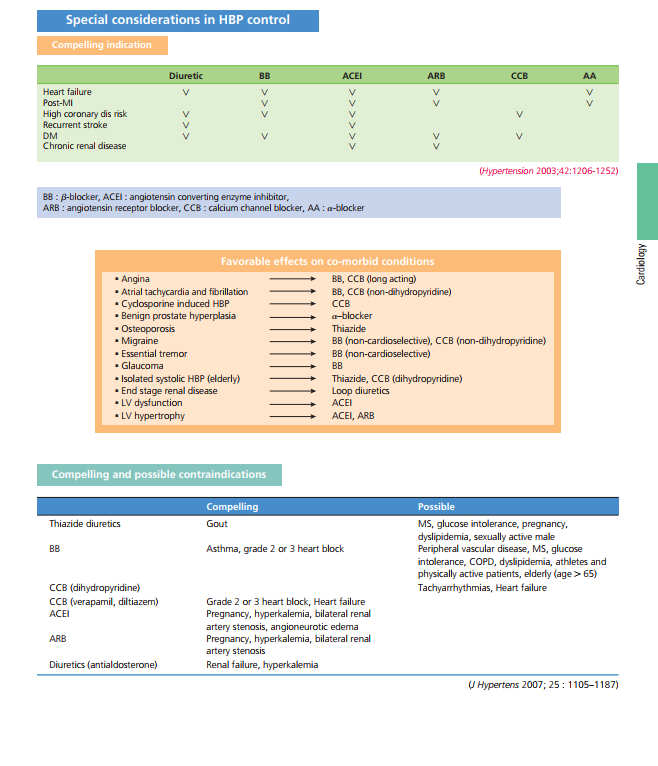
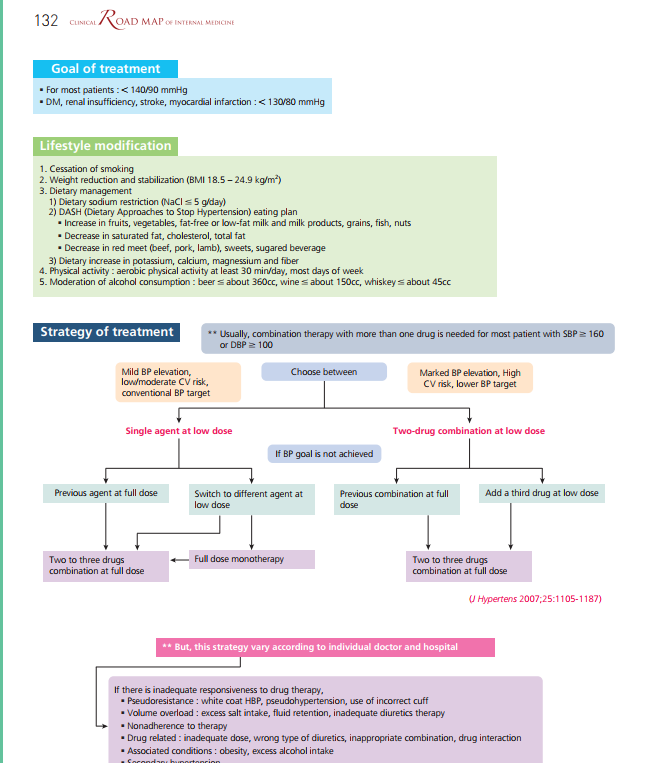
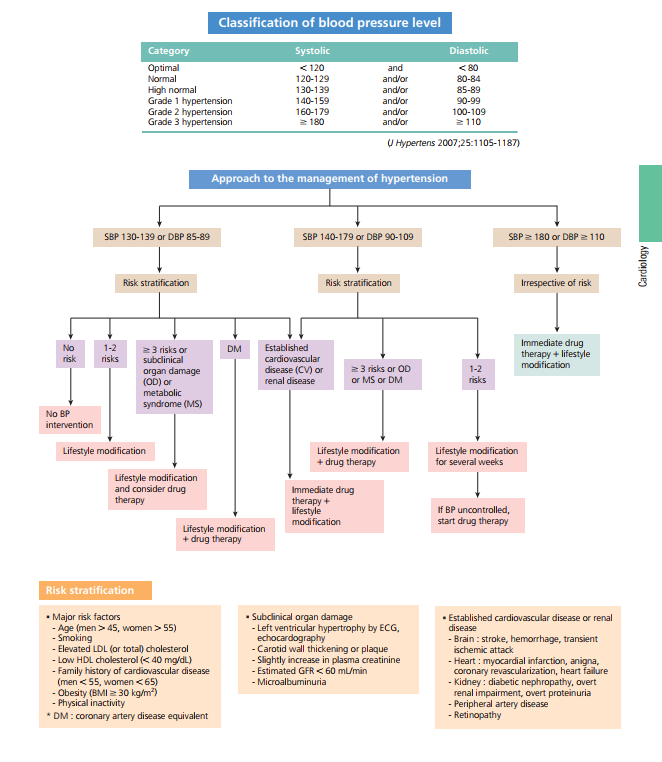
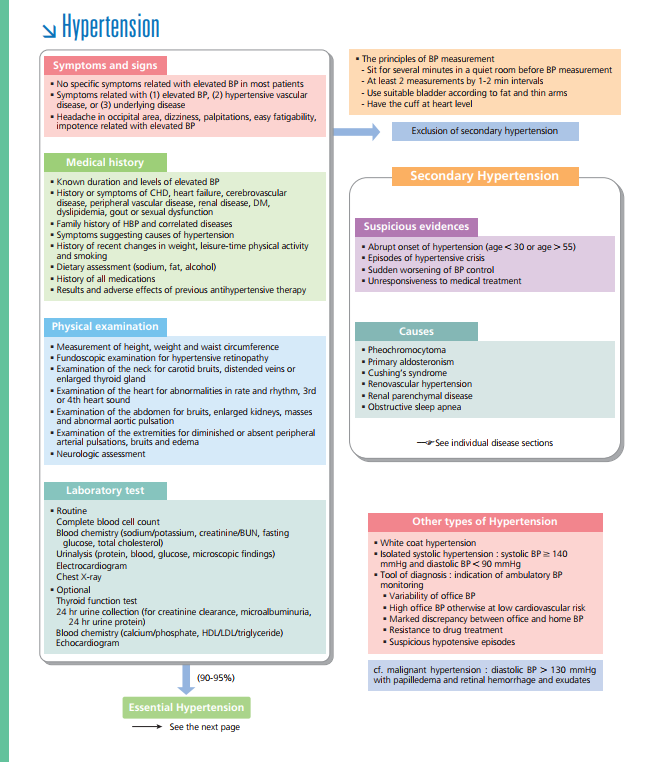
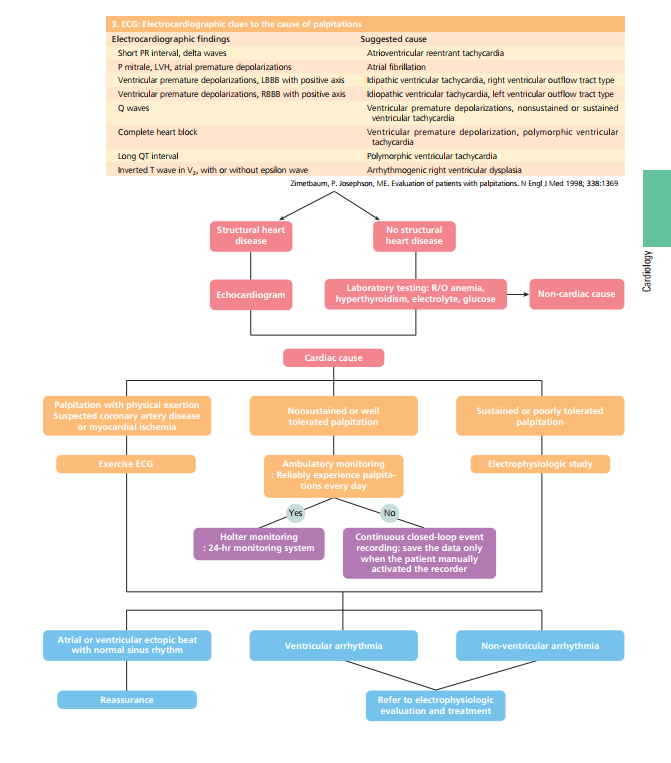
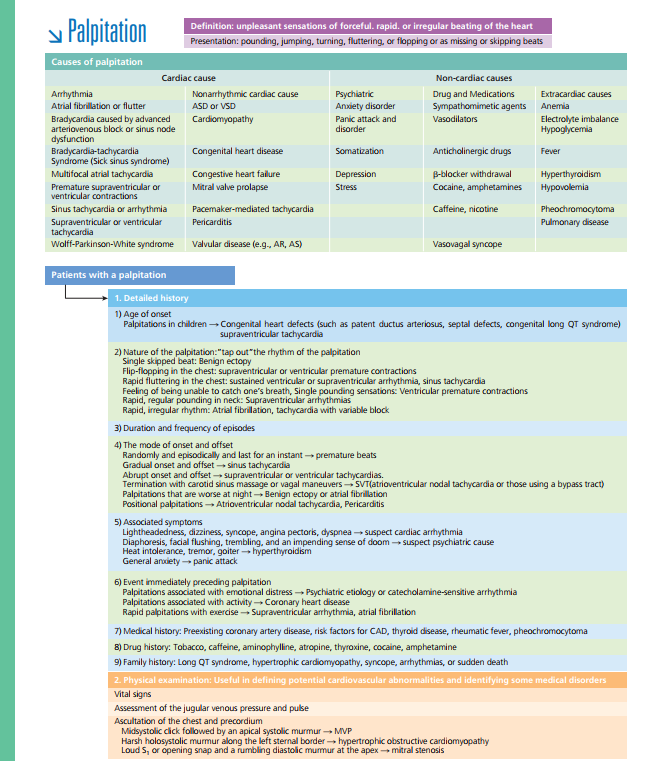
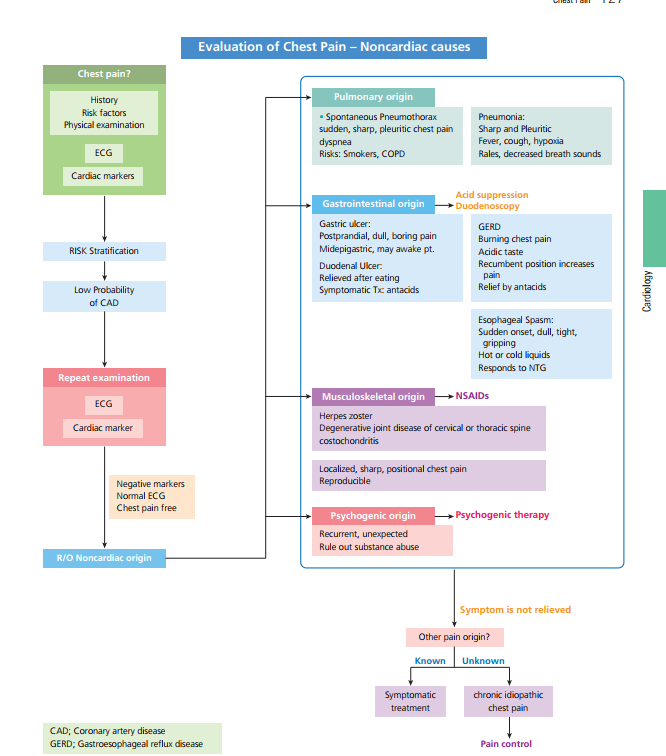
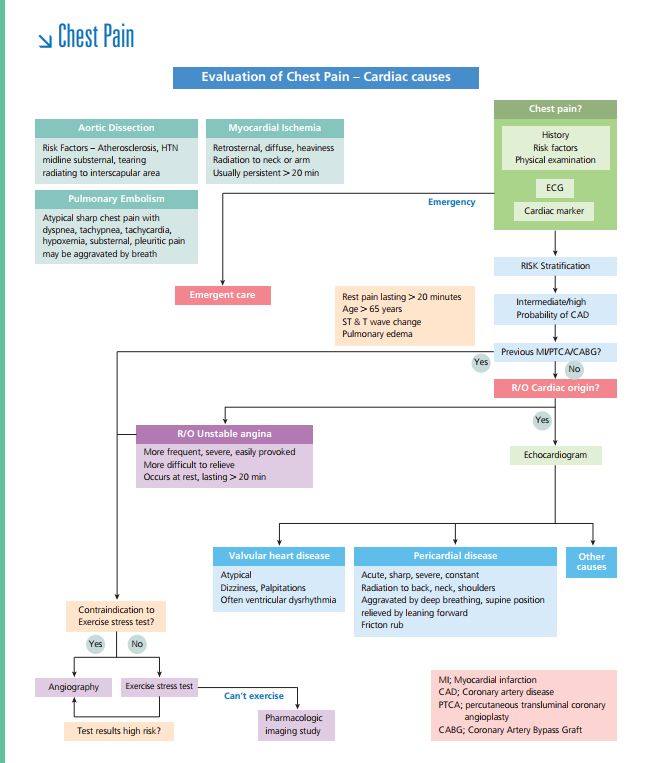
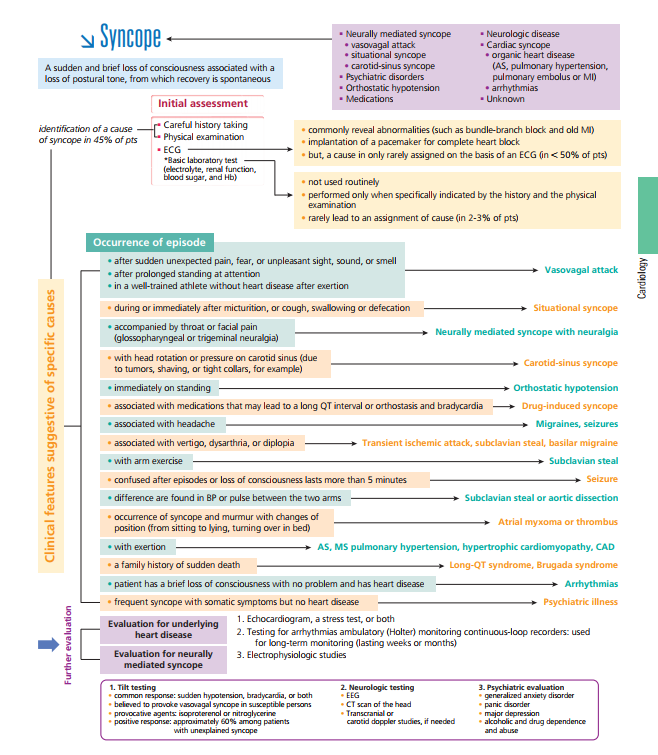
In Part I 1. The underlying structure is diagrams of algorithm for diagnostic approach and clinical management. Explanations, interpretations, descriptions and tables are included within the algorithmic flow. 2. The alignment of diagrams resembles a sequence of medical practice, which is a process that physicians actually undergo and consider. 3. Texts and diagrams of one subject are meant to be contained in one page, if possible, to provide a review of the disease at a glance. Thus, doctors and medical students are empowered to grab information more easily and its clinical application more promptly 4. The content of this book is based on evidences: which include internationally renowned reports of research works published in influential medical journals such as New England Journal of Medicine, The Lancet, Heart, Circulation, Diabetes, Journal of Clinical Endocrinology and Metabolism etc. 5. The book contains approximately 3,000 illustrations including clinical photographs, radiologic images, pathologic slides, endoscopic findings, electro- and echocardiography etc. 6. Illustrations of diseases with high clinical correlation are organized to be aligned in approximate pages. For example, illustrations of Cushing s disease and acromegaly, both of which etiology are based on pituitary gland, are shown in one page. This close comparison allows readers to have a clearer concept of the two diseases by distinguishing their differences, and hopefully, would contribute in forming a long-term memory. 7. The book also has a role as a clinical atlas which can be used for clinicians to support their diagnosis.
In Part II 1. This is part dedicated to problem-oriented explanations. Each chapter starts under the heading of commonly encountered symptoms and diseases. By aligning cases with similar manifestations, each chapter presents a process of differential diagnosis in practice. 2. Case descriptions are in clinical order. The information of each case is dispensed to readers in the chronological order which mimics actual in-practice situations. This characteristic presentation aims to give readers a chance to simulate themselves as a doctor and to cast them a doctor s question: what to do next? 3. Each case is supplemented by full patient history, clinical illustrations, laboratory and imaging findings. As in real practice, it is left as a readers role to filter the most relevant finding out of basic information and narrow down the possible diagnosis. 4. Final diagnoses are presented at the end of the case. 5. When the case simulation is completed, a brief review of disease appears at the final page to solidify memory.
In Part III 1. The Part III is a self-test with more than 400 questions. Questions aim to assess decisions making process on the setting of clinical cases. Selection of topics are based on the diseases appeared on Part I and II. Therefore, readers can always turn back to relevant chapters in the previous parts to proceed further studies on their weaknesses and strengths. 2. Answers & Discussions aims to deliver problem-oriented explanations. Discussions are based on the latest evidences found in internationally renowned medical textbooks and research works published in influential medical journals.


